
2024’s Biggest Website Design Trends to Watch Out For

With the digital landscape constantly evolving, website design has transformed beyond simple aesthetics. In 2024, the focus will shift towards creating engaging experiences that captivate audiences while seamlessly integrating emerging technologies. For businesses and designers alike, keeping up with website design trends is crucial to stand out in the crowded digital space. Let’s dive into the key website design trends that will make an impact in 2024. 1. Rich and Dynamic Visual Elements The rise in computing power and advanced design tools is enabling a new era for website design. Rich graphics, vibrant textures, and intricate animations are becoming more prominent, breaking away from minimalist trends of the past decade. High-resolution graphics and dynamic elements will be at the forefront, creating a deeply immersive experience for users. With powerful Graphics Processing Units (GPUs), website design can now support complex, visually dense elements without compromising load speed. Designers can incorporate textures, patterns, and animations that enhance the website’s visual appeal, making it more engaging for users. This approach allows brands to express their identity creatively while providing visitors with an unforgettable experience. Moreover, improved web browsers and faster processors ensure seamless navigation, even with detailed visual elements. According to Quinnton Harris, co-founder of Retrospect Studios, “We’re going to see a lot more color, wild typography, textures, and patterns,” creating visually captivating sites that elevate website design to new heights. 2. AI-Driven Personalization Artificial Intelligence (AI) is set to reshape website design in 2024, with a focus on customization and user-centered experiences. AI-driven tools can generate design elements based on individual user preferences, making each visit unique. By analyzing user data, AI can adjust content, colors, and even layouts in real time, enhancing engagement and satisfaction. Generative art and AI tools are not only transforming visuals but also optimizing the workflow for designers, reducing the time and costs associated with manual adjustments. AI also makes it easier for smaller businesses to adopt cutting-edge website design by simplifying complex design tasks, allowing more focus on creativity and customization. Quinnton Harris explains that “Generative art using AI will allow us to see more custom graphics per user,” which will cater to the demand for unique digital experiences. The move towards AI-generated designs reflects a growing trend in website design to deliver meaningful interactions and personalized user experiences. 3. Microinteractions: Subtle Yet Impactful In 2024, website design will focus on enhancing user experience through subtle, intuitive microinteractions. These are small animations or effects that react to user actions, such as a button changing color when hovered over or icons subtly shifting. These interactions may seem minor but significantly contribute to a seamless and enjoyable experience. Microinteractions offer users feedback, helping them understand their actions on a website. In recent years, designers have shifted from highly animated pages to more minimalist, user-friendly designs. Microinteractions strike a balance, making sites interactive without overwhelming the user. They allow for personalization and engagement, keeping visitors immersed in the website design without causing distractions. Web brand designer Gabi Robins predicts a move towards more subtle animations in website design as people grow weary of overly complex sites. Simplifying these interactions will enhance accessibility and create a smoother experience for all users. 4. The Return of Skeuomorphism Skeuomorphism is making a comeback in website design as users crave more intuitive and relatable digital experiences. This trend involves designing digital elements to resemble their real-world counterparts, such as buttons that look like physical switches. By adding familiarity, skeuomorphic elements improve usability, making it easier for users to navigate and engage with the site. With the return of skeuomorphism, website design can offer comforting and familiar interactions, helping users feel more connected to the digital space. This trend resonates with those who long for a balance between digital innovation and tactile elements. By incorporating these lifelike designs, brands can create websites that are not only functional but also emotionally engaging. 5. The Power of Kinetic Typography Kinetic typography, or animated text, is gaining traction in website design as a captivating tool to communicate messages. As brands seek to stand out, moving text captures attention, adds personality, and enhances storytelling. This trend transforms typography from mere text into a dynamic element of the website design, making content visually engaging and memorable. In 2024, kinetic typography is expected to evolve further, with text interacting with other design elements to create an immersive experience. From bold headings to playful subtext, animated text helps deliver a brand’s message in a powerful way, transforming the way users interact with content. As 2024 unfolds, these emerging trends in website design reflect a balance between advanced technology and user-centered experiences. From rich visual elements to AI-driven personalization, website design is evolving to create dynamic, interactive, and accessible digital spaces. By keeping up with these trends, brands and designers can stay competitive and offer users an unforgettable online experience. Whether you’re looking to enhance your website’s visuals, improve user engagement, or personalize your content, staying updated with these website design trends will set your brand apart in the digital space. If you’re ready to transform your digital presence, contact Brandcrafter today and let us help you create a website that resonates and performs!
The Art of Branding: It’s More Than Just a Logo!
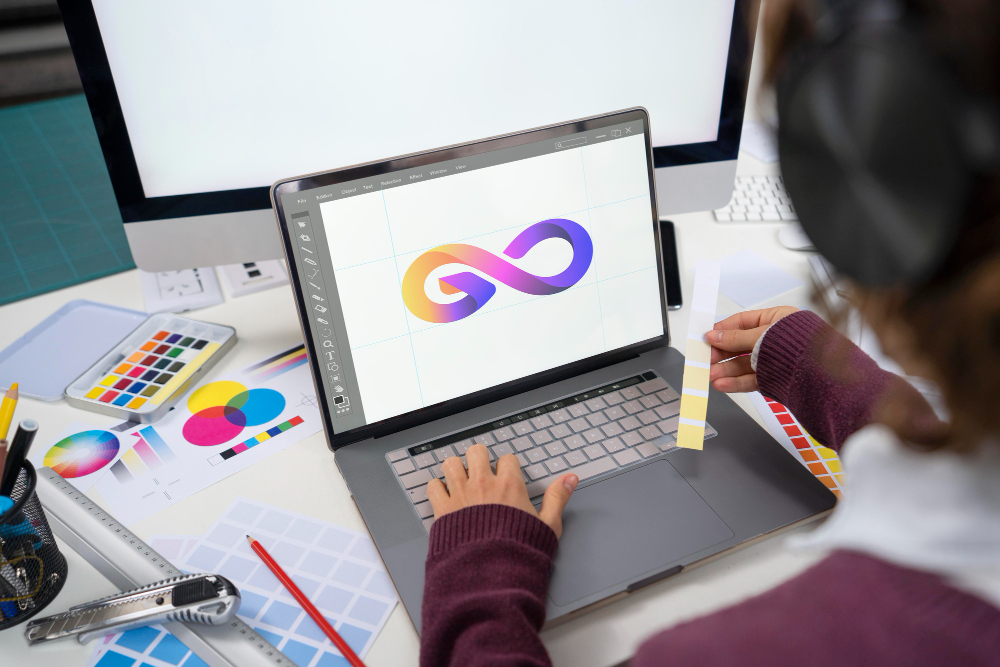
In today’s fast-paced digital landscape, branding has become a buzzword in the marketing world, often mistaken for mere logo design or color schemes. However, branding is much more than a visual identity—it encompasses the entire experience a customer has with your business. From the tone of voice to customer interactions, branding is a strategic asset that differentiates your company from competitors and builds lasting connections with your audience. What Is Branding Really? Many businesses still believe that a well-designed logo is the epitome of branding. While logos are a critical part of visual identity, they are just one piece of the puzzle. Branding is the complete ecosystem that defines how customers perceive your company. This includes everything from your mission statement to the way you interact with customers, how your product or service makes them feel, and how you communicate across different channels. Think of iconic brands like Nike or Apple. Their logos are universally recognized, but what truly drives their success is the emotional connection they foster with consumers. Nike’s “Just Do It” slogan and Apple’s innovative approach to technology are integral parts of their branding, offering a consistent, authentic message that resonates with their target audience. The Power of Consistency in Branding One of the core principles of successful branding is consistency. A strong brand is more than just a collection of marketing materials—it’s an ongoing narrative that evolves with your business. Every touchpoint, whether it’s a social media post or a customer service interaction, contributes to the overall perception of your brand. If these elements align, your brand will resonate with your target market, creating trust and loyalty. At Brandcrafter, we believe that a strong branding strategy should start with a clear understanding of your company’s values, mission, and goals. These form the backbone of your brand identity and should influence every aspect of your marketing efforts. Whether you’re designing a logo, building a website, or launching a social media campaign, consistency in tone, messaging, and visuals helps solidify your brand’s presence in the minds of your customers. Why Branding Is a Strategic Asset Branding* is not just about aesthetics; it’s a strategic asset that impacts the long-term success of your business. A well-crafted brand can elevate customer loyalty, increase brand recognition, and create emotional connections that drive conversions. Customers today are more informed and have higher expectations. They don’t just buy products; they buy into the story and values behind them. Consider a local coffee shop that’s renowned for its sustainable practices and excellent customer service. The shop’s branding doesn’t stop at its eco-friendly logo or earthy color palette. It extends to the way it communicates its commitment to sustainability, how the staff interacts with customers, and the quality of the product. This holistic approach to branding sets the shop apart from competitors, encouraging repeat business and word-of-mouth referrals. Building a Brand in the Digital Landscape In the age of digital marketing, your brand’s online presence is more important than ever. Websites, social media, and email marketing are just some of the platforms where branding plays a crucial role. A cohesive digital brand identity is key to making a lasting impression and standing out in the crowded online marketplace. For example, the tone of voice used on your website should match the messaging on your social media channels. Your brand’s visual elements—logo, typography, color schemes—should be consistent across all platforms, ensuring that customers recognize and relate to your brand wherever they encounter it. With digital branding, every piece of content you publish tells a part of your story, from customer testimonials to blog posts and product videos. So, branding is more than just a logo—it’s the art of shaping the perception of your business in the eyes of your audience. It’s the strategic alignment of your company’s values, customer experience, and marketing efforts. When done correctly, branding becomes the driving force behind customer loyalty and business growth. Whether you’re just starting out or looking to refresh your brand, remember that branding is a long-term investment that, when nurtured, becomes one of your most valuable business assets. At Brandcrafter, we specialize in helping businesses craft brands that not only look good but also connect emotionally with their customers. By focusing on authenticity, consistency, and a strong digital presence, your branding can evolve into something that inspires, engages, and ultimately drives your business forward. To ensure your brand makes a strong and lasting impact, contact the Brandcrafter team today and let us help you craft the perfect branding strategy for your business.